Articles

Showing 31-35 of 37.

Categories

Job and the Contemplation of God

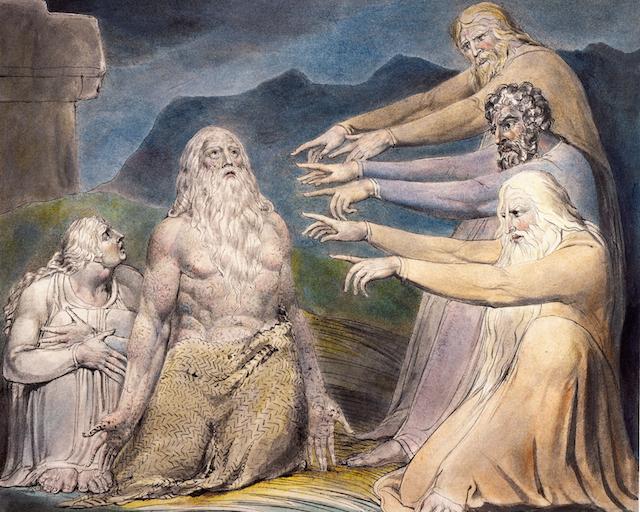
  Job and the Contemplation of God Throughout this book, Job is asking questions and offering defenses and doing his best to understand what has come upon him. Job faces that which has no explanation in his realm of experience. The book begins with a description of Job, a man of considerable wealth and spiritual maturity. Job was a man greatly blessed by God in every significant aspect of his life. After this introduction, the writer describes an encounter between ...
Read More →

Holy Week: TUESDAY

TUESDAY Withered fig tree (Mt. 21:19-22; Mk. 11:20-25) Controversy (Mt. 21:23-22:46; Mk. 11:27-12:37; Lk. 20:1-44) Condemnation of Scribes/Pharisees (Mt. 23:1-39; Mk. 12:38-40; Lk. 20:45-47) Widow's mites (Mk. 12:41-44; Lk. 21:1-4) Visit of Greeks (Jn. 12:20-36) Rejection (Jn. 12:37-50) Apocalyptic discourse (Mt. 24, 25; Mk. 13:1-37; Lk. 21:5-38) Prediction of cross (Mt. 26:1-5; Mk. 14:1, 2; Lk. 22:1, 2) Annointing by Mary (Mt. 26:6-13; Mk. 14:3-9) Betrayal Planned (Mt. 26:14-16; Mk. 14:10, 11; Lk. 22:3-6) On Tuesday morning, Jesus and his ...
Read More →

Holy Week: MONDAY

Holy Week: MONDAY Cursing of the fig tree (Mt. 21:18, 19; Mk. 11:12-14) Cleansing of the Temple (Mt. 21:12, 13; Mk. 11:15-19; Lk. 19:45-48) Healings in the Temple (Mt. 21:14-17) On Monday, Jesus returned with His disciples to Jerusalem. Along the way, He cursed a fig tree because it had failed to bear fruit. Some scholars believe this cursing of the fig tree represented God's judgment on the spiritually dead religious leaders of Israel. When Jesus arrived at the Temple, ...
Read More →

April 2, 2020 Coronavotions (devotional thoughts for the lock-down)

Considering the names of God: El Olam In Isa. 40, the prophet chastises God’s people for thinking that God is unaware of them. The prophet describes God’s sovereign rule of His creation at length and then asks: “Do you not know? Have you not heard? The Everlasting God, the LORD, the Creator of the ends of the earth does not become weary or tired. His understanding is inscrutable.” (29) “The Everlasting God” is the translation of the Hebrew El Olam ...
Read More →

The Reactionary Church

One of several uncomplimentary terms that could be used to describe the modern Church is “reactionary.” Routinely, the contemporary Church is found responding to developments in society, rather than taking a role of leading society according to Biblical principles. These days, we spend a lot of our time determining what we are going to say regarding the latest example of debauchery. Although it is reasonable to expect that the Church will, by necessity, have to respond after some issue has ...
Read More →